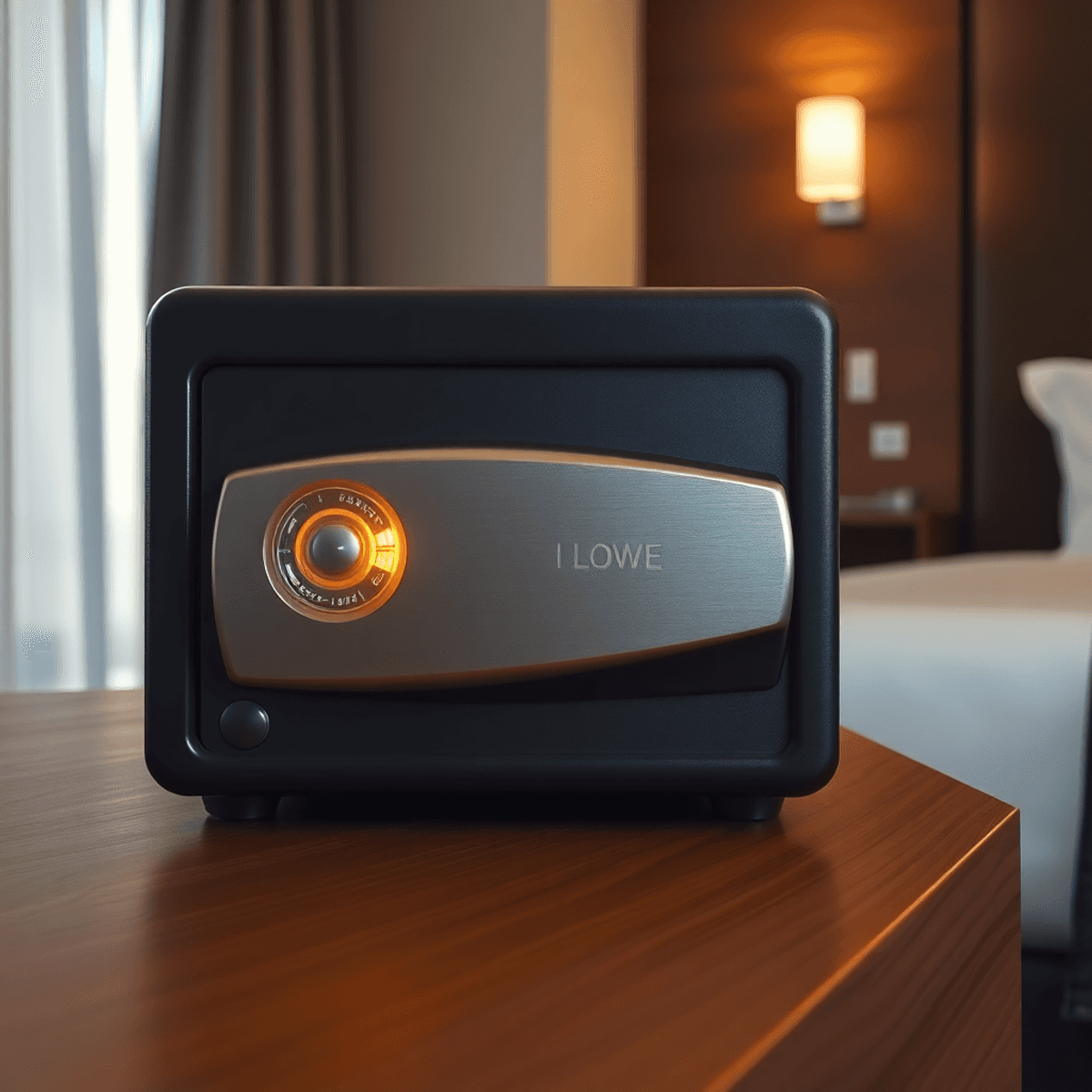
Checking into a hotel often brings a mix of excitement and routine. One common practice for many travelers is securing their valuables in the hotel safe box. However, encountering a low battery alert on these electronic safes can catch guests off guard, turning an ordinary check-in into an unexpected test of awareness: low battery in safety despot box. This alert signifies more than just a technical issue; it serves as a reminder to be proactive about travel security.
Guests face a moment that tests their preparedness—will they notice the warning, understand its consequences, and take immediate action? The hotel safe awareness test challenges both tourists and expats to adapt quickly, ensuring their belongings remain protected despite potential glitches.
For those living the tourist life or navigating the expat life, frequently changing hotels increases exposure to such vulnerabilities. Each new room’s safe box has its own quirks, and overlooking a simple low battery alert could result in locked valuables or compromised peace of mind.
This article explores how recognizing and mastering these moments enhances your security strategy while traveling. Whether you’re using a standard room safe or considering alternatives like a fireproof safe or carrying essentials guarded from a lowbat phone, being prepared turns inconvenience into empowerment.
In an age where natural language processing is transforming various industries including travel and hospitality, understanding these subtleties can greatly enhance your overall experience. Additionally, with the emergence of online platforms for booking and managing travel arrangements, mastering the art of e-learning can offer valuable insights into making informed decisions while on the road.
Understanding Hotel Room Safes and Their Battery Systems
Hotel room safes are important security features for guests who want to protect their valuables while staying at a hotel. These safes usually have electronic digital locks that require power, which is usually supplied by 4 x AA batteries. This battery setup powers the keypad, LED display, and internal locking mechanisms, making it more convenient and secure compared to traditional mechanical locks.
Anatomy of a Typical Hotel Room Safe
Here's a breakdown of the main components found in most hotel room safes:
- Electronic Digital Lock: Guests enter a personalized code to lock and unlock the safe. The system often includes additional security layers such as automatic lockouts after multiple incorrect code attempts.
- Battery Compartment: Usually located inside or behind the keypad, these 4 x AA batteries provide the necessary energy to operate the locking motor and electronic components.
- Mechanical Override Key: A backup method that allows hotel staff or guests to open the safe manually if electronic access fails.
- Fireproof Box Features: Many hotel safes double as fireproof waterproof safes or fireproof boxes, adding protection beyond theft prevention by safeguarding contents against fire and water damage.
The Low Battery Indicator: Your Early Warning System
One important feature of hotel room safes is the low battery indicator. This feature acts as a warning sign for guests, letting them know when the battery power is getting low before it completely runs out. By pressing a button on the keypad, guests can activate this alert to avoid being locked out unexpectedly. It serves as a reminder to replace the batteries on time or make alternative arrangements.
Signs of less battery power include:
- Dim or flashing LED displays
- Audible beeps during code entry
- Reduced responsiveness of the keypad
Understanding these signals helps travelers anticipate battery issues and maintain access to their valuables without any interruptions. Ignoring these indicators could result in being locked out of the safe deposit box, causing inconvenience or dependence on hotel staff for assistance.
This knowledge empowers tourists and expats alike to approach hotel safes with confidence, recognizing that these devices are not just storage units but part of a larger system requiring vigilance and preparedness.
The Role of Low Battery Alerts as an Awareness Test for Guests
A low battery alert in a hotel safe is more than just a technical notification. It acts as an essential awareness test for guests, urging them to pay immediate attention to the security of their valuables. Recognizing the low battery meaning behind these alerts prompts proactive steps that can prevent inconvenience or potential security breaches during a stay.
Guests often see messages such as "low battery," "battery low," or even "1 low battery" displayed on the safe's interface. These warnings indicate that the power source sustaining the electronic locking mechanism is nearing depletion. Understanding this signal means acknowledging that if left unattended, the safe could become inaccessible, trapping belongings inside until assistance arrives or batteries are replaced.
This awareness extends beyond mere convenience:
- Security Implications: A low battery may cause the lock to behave unpredictably or fail entirely. This vulnerability can be exploited by opportunistic individuals aware of such weaknesses.
- Guest Responsibility: Detecting a battery low battery low warning encourages guests to report issues early and request maintenance or alternative arrangements.
- Hotel Transparency: Repeated low battery alerts might reflect lapses in hotel upkeep, hinting at broader concerns about room security and management reliability.
The alert serves as a subtle reminder to remain vigilant, not only about the current safe but also about overall travel safety habits. For instance, noticing a low battery vector—the direction or pattern of battery failure—can help guests anticipate similar problems in other devices or safes during their journey.
In some cases, a battery is too low condition triggers fail-safe measures like mechanical key overrides or emergency external power connections. Guests familiar with these options can navigate situations smoothly without frustration.
Interpreting these signals correctly transforms what might seem like a minor annoyance into an opportunity for enhanced security awareness and control over one’s belongings in unfamiliar environments.
Practical Tips for Tourists and Expats on Managing Safe Battery Issues During Hotel Stays
Navigating the tourist life or expat life often means adapting quickly to new environments, especially when changing hotels. The check-in process can become an unexpected challenge if faced with a low battery warning on the hotel safe. Recognizing this as part of the awareness test of hotel check-in: low battery in safety deposit box allows you to stay one step ahead.
Best Practices for Handling Electronic Safes
- Check the battery status immediately upon arrival. Many electronic safes display a battery lowbat or empty battery indicator when their power is dwindling. Press the designated button or open the safe’s panel to confirm if the batteries need replacement.
- Test the safe early. Enter your chosen code and ensure it locks and unlocks smoothly without delay. This quick check prevents surprises after you have stored your valuables.
- Request battery information from the front desk. Staff may provide insight into how recently batteries were replaced or offer assistance if the battery lowbat signal is already active.
Keep Mechanical Override Keys Accessible
- Hotels typically provide a mechanical override key as a backup for safes with electronic locks. This key serves as your safety net against a completely dead battery.
- Upon check-in, ask where this key is stored and ensure you have easy access to it if needed during your stay.
- Safeguard this key just as carefully as your room key; losing it can complicate access to your belongings.
Additional Strategies for Battery Issues
- Consider carrying a small set of AA batteries, especially if you’re frequently moving between hotels. This proactive step can save time and stress should you encounter an empty battery situation.
- Be aware that some safes allow temporary external power via a 9V battery connection to override dead internal batteries—knowing how to use this can be invaluable.
Adopting these habits enhances confidence in managing hotel room safes, integrating seamlessly into your daily routine while traveling. Taking control of the battery lowbat scenario transforms an inconvenience into an opportunity for preparedness during every check-in experience.
It's all about finding that balance between work and play, which is crucial in adjusting to new environments whether you're traveling or living abroad. For more insights on managing such transitions effectively, consider exploring some tips for balancing work and leisure.
Incorporating Awareness Tests Into Your Travel Routine
Low battery alerts in hotel safes serve as a self-awareness test, challenging guests to engage actively with their surroundings and security measures throughout their stay. This moment encourages travelers not merely to react but to cultivate habits that enhance vigilance and preparedness—a vital skill in the dynamic environment of tourist life.
Test your awareness by treating these alerts as cues to perform quick checks on your room’s security features. Consider it akin to a test for phonological awareness or a spatial reasoning test, where understanding and interpreting signals correctly can prevent inconvenience or compromise. When you spot a low battery warning, don't dismiss it as a minor annoyance; instead, use it as an opportunity to reassess how well you know the safety provisions around you.
Developing this mindset involves several practical steps:
- Familiarize yourself with diverse safe types: Hotels vary widely in the models and locking mechanisms they provide. Some use electronic digital locks powered by replaceable batteries; others may rely on combination dials or even biometric systems. Learning about these differences sharpens your ability to anticipate potential issues before they arise.
- Carry portable security options: For frequent travelers or expats, investing in personal travel safes or lockboxes can be invaluable. These portable devices often include more reliable locking systems and reduce dependence on hotel infrastructure, enhancing peace of mind.
- Practice routine security checks: Make it a habit upon arrival to inspect the safe’s battery indicator, confirm backup key availability, and note any emergency power solutions provided by the hotel. This routine acts like a self awareness test embedded in your travel checklist, ensuring nothing critical is overlooked.
Attentiveness cultivated through such practices not only strengthens your personal security but also trains your mind for better situational awareness in unfamiliar environments. Each low battery alert becomes less a disruption and more an integral part of mastering the art of traveling with confidence.
Choosing the Right Safe Options When Changing Hotels
Selecting the ideal safe for your travels involves understanding both your personal security needs and the features available in various models. Frequent travelers, including tourists and expats, benefit from evaluating safes not only by their locking mechanisms but also by other critical factors such as fire resistance and portability.
Fire Resistance: A Crucial Factor
- Fireproof home safe and fireproof document safe varieties provide enhanced protection beyond theft prevention. These safes are designed to withstand high temperatures, safeguarding important documents, electronics, and valuables from fire damage.
- When traveling, especially with essential paperwork or irreplaceable items, choosing a fire-resistant safe adds an extra layer of security that electronic hotel safes may lack. Fire and water protection features are particularly beneficial in such scenarios.
- While hotel room safes generally focus on theft deterrence, carrying a small portable fireproof document safe can be a wise choice for sensitive materials.
Lock Types: Combination Lock Box vs. Key Box
Understanding the differences between these lock types helps tailor security to your preferences:
- Combination lock boxes operate with a code you set or receive from the hotel. Digital or mechanical versions exist; digital ones often feature batteries that can fail, while mechanical ones avoid this issue but may be less convenient. Combination locks can also include automatic lockouts after several unsuccessful attempts.
- Key boxes, such as the master lock key safe or master lock key box, rely on physical keys for access. These provide straightforward operation without concerns about battery failure but require careful handling of keys.
Both types have pros and cons:
Feature | Combination Lock Box | Key Box (Master Lock Key Safe) |
Battery Dependency | Yes (for digital versions) | No |
Risk of Lost Access | Forgetting code | Losing the key |
Ease of Use | Quick access if code remembered | Simple unlocking with key |
Security Level | Can include automatic lockouts after attempts | Physical key control limits unauthorized access |
Balancing Convenience and Security
Choosing between a combination lock box and a key box depends on your comfort with technology, willingness to manage keys or codes, and the specific security environment of the hotels you frequent.
For extended stays or when moving frequently between accommodations, investing in a compact fireproof document safe with either locking system could offer peace of mind. This allows consistent control over your valuables independent of hotel-provided safes which might have low battery risks or inconsistent maintenance.
Travelers can also consider hybrid solutions that combine secure physical locks with fire-resistant materials for comprehensive protection tailored to diverse travel scenarios.
Conclusion
Encountering a low battery alert in a hotel safe is more than a minor inconvenience; it is a crucial awareness test of hotel check-in: low battery in safety deposit box that invites guests to sharpen their travel security awareness. This seemingly small detail during the check-in process serves as a reminder to engage actively with your surroundings and take charge of your belongings’ safety.
Mastering hotel check-ins means embracing moments like these as opportunities to build confidence and preparedness. Whether you are a tourist exploring new destinations or an expat navigating frequent change of hotel, developing low battery readiness empowers you to handle unexpected challenges without stress or delay.
Adopt these practices to elevate your travel experience:
- Approach each check-in check-out with a mindset tuned to security details.
- Inspect the electronic safe’s status immediately upon arrival.
- Confirm availability of mechanical overrides or emergency power options.
- Stay informed about the types of safes and locking mechanisms used by accommodations.
Becoming a check-in pro transforms routine hotel stays into seamless, secure experiences. Proactivity not only protects valuables but also cultivates peace of mind—an invaluable companion on every journey. Embrace these insights to navigate travels confidently, turning every hotel check-in into an opportunity for mastery and safety.
FAQs (Frequently Asked Questions)
What does a low battery alert in a hotel safe box indicate during check-in?
A low battery alert in a hotel safe box signals that the electronic digital lock, typically powered by 4 x AA batteries, is running low on power. This serves as an early warning for guests to be proactive about the security and functionality of the safe during their stay.
How can tourists and expats manage low battery issues with hotel room safes effectively?
Tourists and expats should check the battery status of the hotel safe early during their stay, keep mechanical override keys accessible if provided, and be prepared to address any low battery alerts promptly to ensure continuous security of their belongings.
Why is awareness of low battery alerts important for frequent travelers staying in hotels?
Awareness of low battery alerts is crucial because it acts as an unexpected test prompting travelers to remain vigilant about travel security. Recognizing these alerts helps prevent potential vulnerabilities related to hotel room safes and enhances overall safety during frequent hotel changes.
What are common features of hotel room safes and their locking mechanisms?
Hotel room safes commonly feature electronic digital locks powered by 4 x AA batteries. They include low battery indicators that alert guests when battery levels are insufficient, ensuring guests can take timely action to maintain safe functionality.
How can incorporating awareness tests improve travel security routines?
Incorporating awareness tests like monitoring low battery alerts into travel routines fosters attentiveness and preparedness. This habit enhances overall safety by encouraging travelers to familiarize themselves with different safe types and security features offered by hotels or portable options they carry.
What factors should be considered when choosing the right safe options while changing hotels frequently?
Frequent travelers should evaluate safes based on fire resistance, ease of use, and locking mechanisms such as combination locks versus key boxes. Selecting the appropriate type ensures better protection for valuables during hotel stays and aligns with individual travel security needs.


Comments
Post a Comment