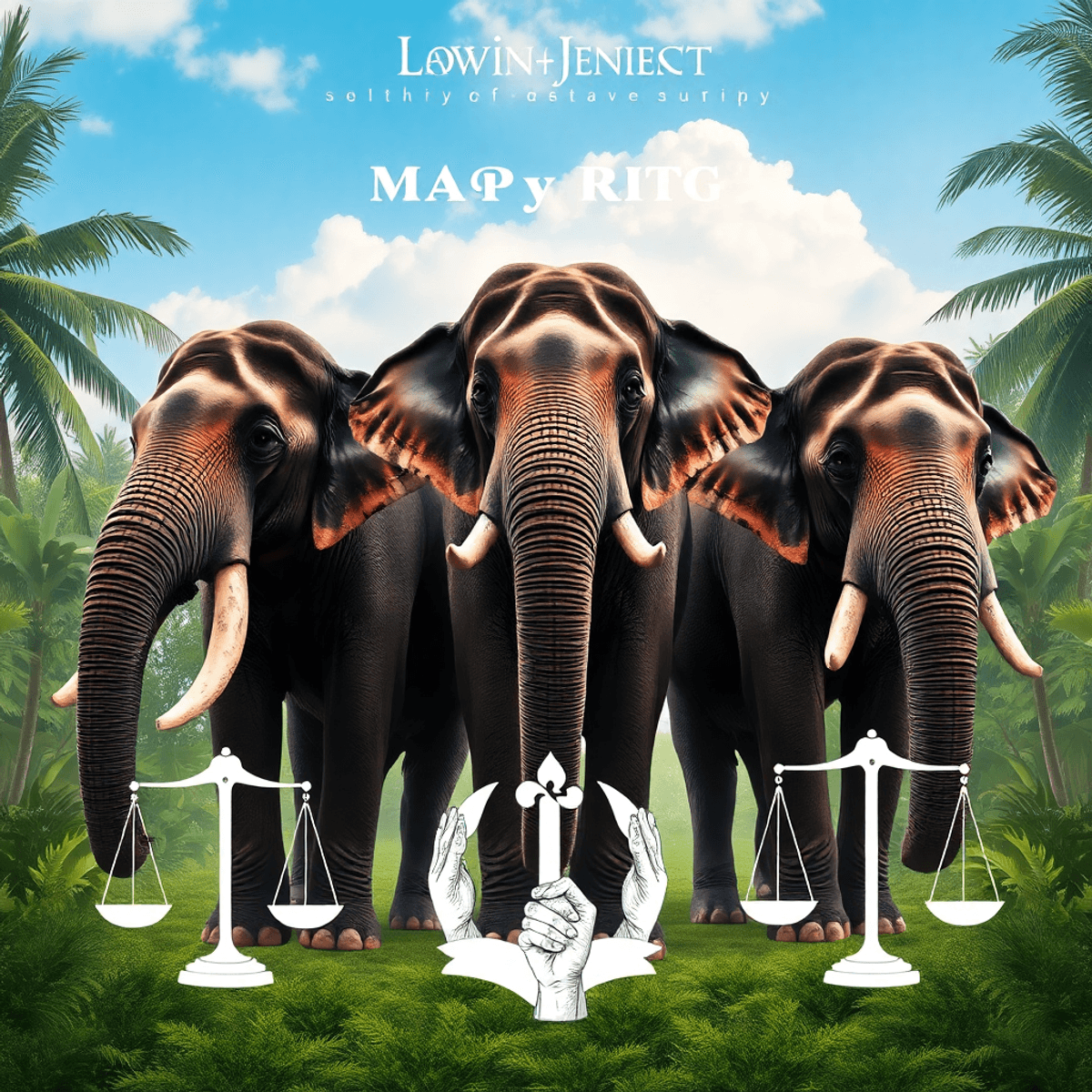
The Euro view of South East Asia Enlightenment Meaning looks at two interesting ideas: triple elephants and double bill meaning. These words might sound strange, but they hold a lot of cultural, legal, and social value in Southeast Asia.
The triple elephants design shows the power, spirit, and strength that old kingdoms had. On the other side, double billing, often used in legal and business areas, means more than just money. Sometimes, it points to hidden reasons or more than one way to see things.
In this article, we will look at how these symbols connect to important areas like:
Law: Lawyers help with tough cases that include accidents, rules of the military, and peoples’ civil rights.
Military: The way the military can change the law and looks into accidents.
Accidents: How things that happen to people or those in the military are looked at in these connected areas.
Spirituality: The special meaning of the elephant. It shows wisdom and keeps us safe.
We will also look at how new tools help shape our day-to-day lives. For instance, you can read about AI CCTV cameras that work in a smart way to keep us safe. These fit well into the way we live and give us better security. This change matters a lot, especially for places like Southeast Asia. In these areas, mastering home security is important because of many reasons that come from what is happening in their society and government.
As you read this, you will get to know how these sayings link to bigger ideas. For example, they connect to body ideas like hand, carpal tunnel, and muscles of the hand. They also relate to social and political topics, and small ways of sharing messages in new problems people face today. You will find out what triple elephants and double bill meaning are in Southeast Asia and how these things fit together. You will also see why portable CCTV cameras are important for keeping people safe.
The Cultural Significance of Elephants in South East Asia
Elephants have a deep meaning in the history and culture of South East Asia. These huge animals have always shown royal power, wisdom, and spiritual strength. All of this is a part of the old kingdoms and empires that ruled this area.
Historical Reverence of Elephants
Elephants were not just used for work. They showed power and were a sign of greatness.
Kings and emperors used elephants to show their wealth and power. Some royal courts had large areas just to keep these big animals.
In battles, war elephants fought beside people. Their great size and strength could change who would win the fight. The elephants also made rulers look more important.
Symbolism Wrapped in Strength and Wisdom
In many Southeast Asian cultures, elephants stand for mental strength and the kind of strength needed
They show wisdom. This links to their calm way and strong memory. It also connects to spiritual lessons.
Elephant shapes are seen in art and old stories. They stand for being a guard against bad things, mixing their strength with holy care.
Religious Iconography & Processions
Elephants are very important in many religious events and festivals. People like to have them there during special ceremonies. Their presence makes the events feel more grand and special. You can see them in many celebrations because they are part of the tradition.
Statues or images of white elephants are thought to bring good luck and are seen as a sign of good things to come.
Parades with elephants dressed up in fancy ways are put on to respect the gods or to remember special days.
Some temples have elephant carvings that stand for being steady, just like some muscles help steady the hand or give support to how the thumb works—both examples show how life needs balance.
The Triple Elephants Motif: Grandeur Multiplied
The "triple elephants" motif stands out as a strong sign. This group is like a build-up that you can see.
Stands for more power and good luck. It makes the feel of safety even stronger than one elephant alone.
Seen as a sign of three good things: strong body (like how blood moves in the body), smart thinking that ties you to life's flow, and ruler-like power.
You will often see it on things that belong to royalty, in temples, or on things that show part of a culture. It gives a feel of high status, brings respect, and calls for wealth.
Even when we look at South East Asia’s enlightenment meaning with the Western way of thinking, these three elephants are more than just a picture. They link to things like how bones are made or how changing language can help us understand more. This shows us that symbols in culture can hold many levels of meaning, just like in our bodies or in language.
A Note on Contemporary Symbolism
Elephant symbolism has its roots in old customs and beliefs. It is still seen today. You can find it in art and even in small ways used in modern times. Sometimes people talk about elephants in a way that stands for something else, like when talking about hard topics such as what goes into drugs or problems in society. Elephants are still a big part of stories, bringing respect and meaning from the past into our lives now.
Today, we live in a world where the use of the latest tools goes up every day. But even now, old signs still have a place in our lives. For example, the elephant is seen in many places as one who keeps people safe. The same is true for new things like CCTV cameras. They help look after our homes. With new things like AI that can spot objects, safety keeps getting better.
Understanding the Term “Double Bill” in Southeast Asian Contexts
The phrase "double bill" has a few meanings. It is important in Southeast Asian culture, business, and law. At the center, the double bill meaning is about showing two things together. These can be events, charges, or ideas.
Basic Definitions and Uses
Double bill often means a show or event that has two acts or shows played one after the other. It’s like when you go to the movies and watch two films with one ticket.
In money talks, double billing is when someone is charged twice for the same thing. This is a big problem in law and business.
In Southeast Asian countries, business and law are often mixed. People still use some old ways of doing things, but new rules are also used. In these places, double billing can mean different things to different people.
Double Billing in Legal and Commercial Practices
Legal cases about double billing come up a lot in healthcare, consultancy, and government contract work. For example:
A lawyer working on a legal case might find times where the bill shows the same money charge for just one service.
Banks and companies have strict rules to stop fake financial charges, but there can still be gaps because areas of who is in charge or unclear deal words cross over.
The area has an economy that is hard to read. This is why people need to be careful about these problems. The hidden meaning behind a strange double bill could show bigger issues. It could be about people doing something wrong, things not working well, or someone saying the wrong thing.
Metaphorical and Broader Interpretations
Outside finance, the phrase "double bill" is also used in a different way. It can mean something more than just numbers.
In cultural events, a "double bill" can mean showing two related themes together to help people understand better—like having a traditional dance and then a modern one right after.
Writers or speakers might use this term when they share two related ideas or stories at the same time. This way, people can see links between them that they may not notice right away.
Think of this as the hand. Each finger stands for an idea. The Carpal Bones (wrist bones) are under every move you make in your hand. They give support, just like strong ideas help what you see or read. The Base of the Thumb helps you hold things. This is like how base meanings help you understand something. Muscles like the Adductor Pollicis and nerves such as the Radial Nerve/Radial Nerves work together to help the hand move well. In the same way, when good ideas mix, they flow together easily—just like a good show with two strong acts.
Even veins like the Basilic Vein/Basilic Veins and pathways such as the Dorsal Venous Network show hidden ways under the skin. These are next to the way double billing tells us there is more going on than only extra charges.
When you look at jointed parts like Distal Interphalangeal Joints, think about how each part joins with the others but still moves on its own. In the same way, dual presentations are together in one space, but each keeps its own style.
Related Words Shaping Understanding
Words linked to "double bill" enrich its context:
Duplicate, pairing, dual, tandem, at the same time, overlap.
Words from body parts and how they work help people see the idea in a clear way: articulation, connection, coordination.
This mix of clear and hidden meanings shows why "double bill" isa strong term in Southeast Asia. It is used not just for practical things, but also because people feel there is more under the surface. A simple word can show that things are not always what they look like.
Intersection of Law, Military Presence, and Accidents in Southeast Asia
The military in Southeast Asian nations often plays a big part that goes beyond just defense. The military is also part of the legal systems and takes part in the country’s main rules. This connection changes the way the legal cases, especially the ones about accidents, get looked at, how they decide what to do, and how things get sorted out.
Military Influence on Legal Systems
There are several things that add to the way the military shapes legal systems in Southeast Asia:
Historical ties: Many countries in the area have a past where the federal government and the military are closely tied. The two often work together or the military watches over the government.
Side-by-side codes: Military rules often work next to civilian law. This can make it hard to know who is in charge in some cases.
Effect on law firms: A strong military role makes it harder for law firms to have clear rules and steps. This is true, especially for cases about defense or national security.
Knowing unwritten rules: Legal workers need to learn not just the laws, but also the unspoken ways shaped by military life.
Handling Accidents Involving Civilians and Military Personnel
Accidents that happen where people and army workers meet need special legal care:
Shifting jurisdiction: The place that handles these accidents can change. It depends on if the people who were in the accident are in the military or if they are not.
Big investigations: Looking into what happened often takes many steps. The police write reports. There are checks by doctors, which sometimes means knowing more about body parts like the dorsal carpal arch or wrist bones if someone gets hurt. The military also checks things in their own way.
Tough questions about who’s at fault: It gets hard to know who is to blame when accidents happen near military bases or when people are doing their official work.
Collaboration Between Lawyers and Military/Government Agencies
Lawyers who work on accident claims often work with people in the military or with government offices.
Importance of cooperation: The team must work together to gather proof, check dates, and make sense of stories that do not match.
Limited ways to get information: Security rules can keep people from getting the information they want. Lawyers have to come up with new ways to stand up for people, but still follow rules that keep things private.
Special law firms: Some law firms help fill the gap between these worlds. They make sure justice is met while not putting the country at risk.
“Navigating legal cases involving the military is like understanding a double bill meaning—the surface story pairs with a hidden narrative beneath.”
This duality connects with things you see in culture, like triple elephants. On the outside, they look strong, but they also stand for a deeper spirit. In the same way, there are legal cases that deal with the military. These cases show clear facts. At the same time, there are things not seen right away that come from power and how rules are followed.
When you see how these things play out, you get to understand a bigger picture. Law in Southeast Asia is not just about written rules. It is also about power, people, and all the small things from the culture that shape each meeting between lawyers, soldiers, and everyday people. All these parts of life mix together at tough times.
In complex times when the law mixes with army work, keeping people safe is very important. This is why integrating perimeter security can help a lot. These steps can make the area safer and also help keep people out of harm’s way if they end up close to army actions.
Moreover, mastering smart wire-free security is the blog post that can interest you.
Case Studies Involving Legal Work Related to Accidents
Accident law case studies in Southeast Asia show an interesting mix of culture, law, and military facts. Lawyers play a key role in sorting out these hard cases. This is even more true when the military is involved. It can bring more rules, and it is not always easy to know what area or court should handle the problem.
Lawyers’ Role in Accident Claims with Military Nuances
Think about a hotel owner in Siem Reap, who had a heart attack after an accident with a military vehicle. The legal team needed to look closely at what happened. They had to go through the rules that connect military practice and normal law. For this kind of case, the team needed to know a lot about the usual law for injuries, plus they had to understand military rules and local ways of doing things.
Key responsibilities included:
Collecting formal statements from people who saw what happened and those involved.
Working with military leaders to get reports that are often kept away from the public.
Making sure things like medical reports, which tell about injuries to soft parts of the hand—like the thenar muscles and thenar eminence (the soft area at the bottom of the thumb), hypothenar eminence (the soft part across from the thumb on the palm), and even finger bones including digiti minimi—were fully written down.
The link between injuries and the law is important. Lawyers need to know how injuries change blood flow and the way parts like the back of the hand work. This can have a big say in how much money you get after an accident.
The Power of Police Statements as Evidence
Police statements are very important in many accident cases. They do more than write down what happened. They help show what took place in a way that can be used in court when lawyers talk about who is to blame. In Southeast Asia, police reports can also show how local social and political things play a part. Sometimes, what is written may be shaped by the military or by people in power.
For instance:
A crash that involved a civilian motorbike and a military convoy led to different stories.
Lawyers had to go through police statements bit by bit to see the difference between what was reported by the officials and what people said who saw it.
These statements became very important when later checks showed there were differences that changed who was to blame.
Navigating Socio-Political Complexities
Lawyers often work in places with many rules and social changes. In these places, power can change the outcomes. Military groups may want things their own way, but that can make it hard for justice to be simple and clear.
Challenges include:
Balancing the need to stand up for the client with respect for both government and military leaders.
Handling how the public sees things, especially when a problem happens near a place that you must be careful about.
Dealing with threats or people who try to hide facts when they do not want their mistakes to be known.
This careful work needs more than just knowing the law. You must also understand people and their ways—knowing when to speak up in a strong way and when it is better to talk things out or use dispute resolution instead.
These examples show that dealing with accident law cases in Southeast Asia is not just about basic rules. Lawyers need to know about injuries like damage to thenar muscles or digiti minimi. They have to read police statements carefully. They also need to work their way through complex social and political systems, which are shaped by both regular people and the military.
Along with these complex details, there is a growing need to make security better during legal proceedings. For example, using successful CCTV security cameras can give strong evidence when looking into accidents. Knowing more about the functionality of CCTV will also help lawyers get proof for their cases.
Also, it is important for lawyers to know about complete home security measures. These can help keep their clients’ homes safe and protect them during legal work.
Contemporary Issues Connected to Symbols and Terms Discussed
The link between symbolism and coded communication gets harder to understand when we look at current social problems like human trafficking in South East Asia. Drug smuggling and the world that hides it, and the rise of xenophobic stories such as Yellow Peril show it too. These new problems often use many layers of hidden meaning. Sometimes it's like the strange “triple elephants” or the two-faced message in “double billing.” These ways help cover up what is really going on.
Metaphors in Illicit Networks
1. Double billing as a metaphor:
In trades that are not legal, like when people move drug parts or are involved in moving people, “double billing” can mean more than tricking others about money. This is when someone tries to hide one deal behind another. The “double feature” makes it hard for the law to know what is happening and makes things harder to find out.
2. Hidden meanings in drug ingredients:
Smugglers often talk in codes that sound like normal things. For example, they may talk about things like the palmar fascia or metacarpophalangeal joints, which are both parts of the hand. In reality, they may be talking about drugs or secret routes. They use common words from the body or culture as secret names to hide what they really mean.
The Human Hand as Symbol and Code
The human hand has many parts that let it move in many ways. These include the deep palmar arch, the cephalic vein, and links to the brachial plexus. The hand does many jobs in the body. It also has meaning in different cultures. In secret talks:
The left hand can show the idea of keeping things secret or finding other ways to do things. This is like the way some hidden groups work in the dark.
Talking about parts of the hand can show some coded messages. They give details without making people think something is wrong. For example, when someone says a “Human Hand” it may mean someone from inside is part of it, or it could mean a special way to move things.
Cultural Symbols as Coded Language
Cultural motifs, like the ones about elephants or double features, reach into the world of crime by giving a cover. These ideas can hide what is going on.
In some Southeast Asian communities, small gestures or signs linked to sacred animals work like keys. They help people who know about them to find secret meanings.
This kind of meaning is very important when law enforcement needs to read police statements. They have to read these papers very closely to find any hidden hints.
Media and Language Influence
Using Essential British English words with reports from the New York Times shows how the way people use language can shape what others think. It also affects how people look into things.
Media coverage often explains these symbols for more people. Law enforcement needs to understand what these signs mean in local areas.
This two-part style is like a "double bill." It means there is an open headline with one meaning, and another hidden message below.
The link between cultural symbols and modern illegal actions shows us how old ideas mix with new crime methods. When people understand this, it helps them deal with problems that do not always show on the surface.
Conclusion
The meaning of the triple elephants is about more than how grand they look in Southeast Asian culture. They show stories about spirit, power, and who people are. The double bill meaning makes this picture grow into ideas about law and how people act with each other. This is where two things that do not look the same join to shape new things in life that are not simple.
This look into old symbols like triple elephants helps us see how they link to today's problems. These problems can come from legal fights after army mishaps or trying to read hidden notes during times of big change. It shows that, like a hand's fine moves that need care, the rules and social ways we live by also need to be handled with care to keep things even.
When we talk about all these things, we have to keep in mind that knowing about them can help in real life too. For example, you can feel safe by using good steps like the ones you get with CCTV home security systems.
FAQs (Frequently Asked Questions)
What is the cultural significance of the 'triple elephants' symbol in Southeast Asia?
The 'triple elephants' design in Southeast Asia stands for royal power, strength, wisdom, and spiritual energy. People have long looked up to elephants in their kingdoms and empires. Elephants are an important part of religious art and parades. They show good fortune and the culture of these places.
How is the term 'double bill' understood within Southeast Asian legal and commercial contexts?
In Southeast Asia, 'double bill' or 'double billing' means charging two times for the same thing. You see this often in legal cases and in money matters. But it is not only about money. People also use this phrase when they talk about two things or shows coming together at the same time. This shows how people can use the phrase in many ways, both in business and in culture.
What role does the military play in the legal systems of Southeast Asian countries concerning accidents?
The military plays a big role in how laws work in Southeast Asia, mainly when there are accidents with people or soldiers. The legal steps often need help from lawyers, leaders in the military, and groups in the government. They all work together to look into what happened and deal with hard issues that come up during these cases.
Can you provide examples of how lawyers manage accident-related claims influenced by military involvement in Southeast Asia?
Lawyers work with accident claims in a careful way. They collect proof like police statements and talk to other groups, such as the military, when needed. They move through complex social and political things that can come up. Case studies show how important their work is in getting justice for people. They also deal with tough situations that happen when the military gets involved.
How do modern social issues like human trafficking relate metaphorically to concepts like 'hidden meanings' or 'double billing'?
Modern problems like human trafficking and drug smuggling are often connected to "hidden meanings" or "double billing." This means there can be secret ways people talk inside these activities. Some cultural symbols might be used as secret signals between people who do these crimes. This shows how symbols and secret work are connected in Southeast Asia.
What insights does the article offer on the intersection of culture, law, spirituality, and social challenges in Southeast Asia?
The article talks about how cultural symbols like "triple elephants," legal practices like "double billing," spiritual beliefs, and social problems such as accidents and human trafficking all connect with each other. It shows that these things work together to shape the way people think and live in Southeast Asia. These ideas help people understand what is going on in their society and world.


Comments
Post a Comment