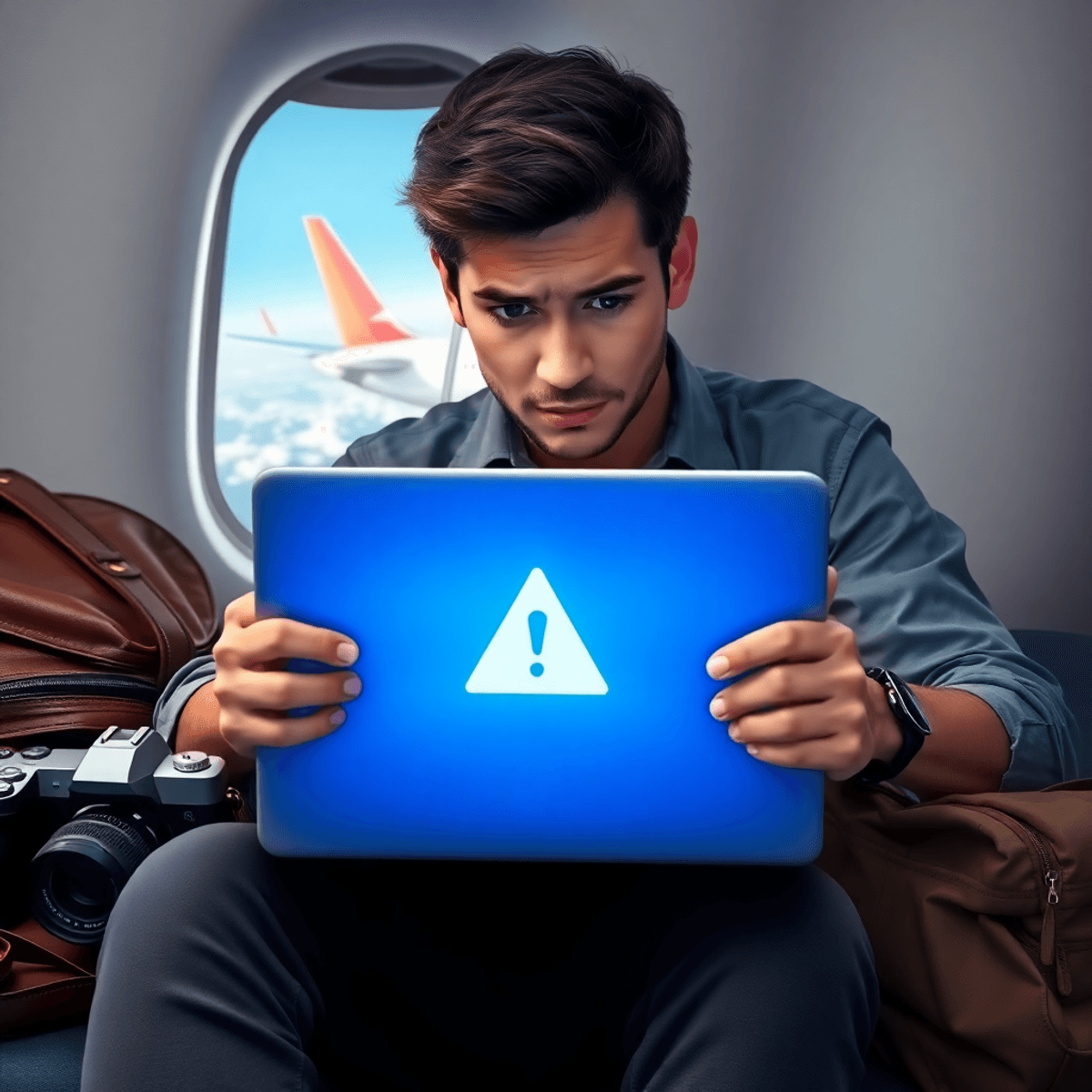
Understanding the Blue Screen Error: A Guide for Laptop Users to Lose Picture From Holiday
Encountering a blue screen Windows 10 laptop error can be a nightmare, especially when traveling. Imagine capturing unforgettable moments across continents only to face a sudden blue screen error that threatens to erase those memories. The infamous BSOD laptop—Blue Screen of Death—often appears unexpectedly during everyday tasks, software updates, or heavy usage. For digital nomads and travelers relying on their laptops worldwide, this error disrupts productivity and peace of mind.
This guide dives deep into common causes, prevention strategies, and reliable fixes for the dreaded blue screen on Windows 10. Whether you’re working remotely from a café in Bali or editing photos on the plane, understanding how to handle BSOD can save your data—and your sanity. Practical tips aim at reducing the low content rate frustrations by keeping your device stable and secure throughout your journeys.
What is the Blue Screen Error (BSOD)?
Encountering a blue screen of death laptop error can be alarming. This infamous blue screen laptop problem signals that Windows has encountered a critical issue it cannot recover from without restarting. Commonly called BSOD, this error abruptly halts your device to prevent damage or data corruption.
The blue screen displays vital diagnostic information:
- Stop code messages: These codes pinpoint the underlying cause of the crash. For example:
PAGE_FAULT_IN_NONPAGED_AREA often indicates faulty memory or driver issues.MEMORY_MANAGEMENT points to problems with RAM or corrupted system files.- QR codes: Scanning these with a smartphone directs you to Microsoft's support pages with tailored troubleshooting steps.
Devices across brands like Lenovo, HP, and even Chromebooks running Windows OS may show these blue screens. For instance, users reporting blue screen Lenovo or blue screen on my HP laptop often share similar stop codes, underlining common root causes regardless of hardware brand.
BSODs stem from hardware failures, incompatible drivers, software conflicts, or corrupted files disrupting Windows’ normal operation. Recognizing the stop code and accompanying details provides crucial clues to diagnose and fix the blue screen error efficiently.
Digital Nomad Around The World with Blue Screen in Bali Indonesia
Travel around the world as a digital nomad often means carrying your laptop everywhere—from bustling airports and cramped airplanes to cozy hotels and local taxis. Each stop on the journey presents new challenges, especially when technology starts to fail at the worst moments.
A New Beginning in Bangkok, Thailand
The adventure began with a fresh start: a brand-new laptop purchased in Bangkok, Thailand. The excitement of unboxing a shiny device was matched only by the thrill of planning a route that spanned continents and cultures.
- Travel itinerary included: Africa’s vast landscapes
- The vibrant streets of Brazil and Peru
- Colombia’s colorful cities
- The tropical beauty of Costa Rica
- Luxurious stops in Dubai and Maldives
- Finally landing in Indonesia
Throughout this globe-trotting expedition, the laptop handled every task flawlessly—editing photos by the beach, writing blog posts from airport lounges, and streaming movies during long-haul flights.
Strange Signs in Lombok, Indonesia
While settling into Lombok, one of Indonesia’s serene islands, a curious issue surfaced—not with my laptop but through my friend’s phone. My Chinese friend couldn’t complete an online payment because his OTP (One-Time Password) SMS never arrived from Singapore. This raised subtle alarms about connectivity or potential security issues affecting mobile networks during travel.
This kind of problem isn’t uncommon for digital nomads who rely heavily on online banking and secure communications while hopping between countries. Unusual delays or failures in receiving critical messages can hint at something more serious than just network glitches.
The Blue Screen That Changed Everything in Bali
Arriving in Bali felt like reaching paradise after months on the move. The tropical air, buzzing scooters, and friendly taxi drivers created an inviting atmosphere for work and relaxation alike. It was here I opened my laptop only to face the dreaded Blue Screen of Death (BSOD).
- The screen displayed cold, cryptic error codes.
- Panic set in thinking about all the pictures collected from around the world.
- Memories captured during countless taxi rides through city traffic, airport layovers staring out airplane windows, sunset snaps from hotel balconies—all potentially lost.
The shock was immediate. A device that had been so reliable suddenly refused to boot properly. It wasn’t just an inconvenience; it was a threat to years’ worth of digital memories and work.
Reflecting on Travel Tech Vulnerabilities
This experience highlighted how vulnerable digital nomads are to hardware failures far from home comfort zones or professional tech support:
- Constant movement subjects laptops to physical stress.
- Different power voltages and chargers increase risk.
- Varied climates—from humid tropics to dry deserts—affect internal components.
- Unsecured Wi-Fi hotspots expose devices to malware or hacking attempts.
When traveling from Bangkok across Africa, South America, Central America, Dubai, Maldives, and finally Indonesia, maintaining laptop health becomes as vital as managing passports or visas.
Lessons Learned on the Road
Handling this situation required calm troubleshooting steps but also brought awareness about important digital nomad precautions:
- Regular backups: Saving photos and files to cloud services or external drives ensures precious data isn’t lost if hardware fails.
Common Causes of Blue Screen on Windows 10 Laptops
There are several reasons why you might encounter a blue screen error on your laptop. Understanding these causes can help you find solutions more quickly.
Hardware Issues
Here are some hardware-related problems that can lead to a blue screen error:
- Faulty devices: Malfunctioning RAM, failing hard drives, or damaged graphics cards can often trigger blue screens. These components are constantly communicating with the system, so any failure in their operation can lead to critical errors.
- Overheating: Excess heat can cause hardware components to behave unpredictably, resulting in sudden shutdowns or blue screen errors.
- Hard drive tampering: If your laptop's hard drive has been tampered with during travel or servicing, it might cause corrupted sectors or altered firmware. Windows detects these issues as fatal errors.
Driver Problems
Drivers are software programs that allow the operating system to communicate with hardware devices. Here are some driver-related issues that can cause a blue screen error:
- Outdated drivers: If your drivers are outdated, they may not be compatible with the latest Windows updates, leading to system crashes.
- Incompatible drivers: Sometimes, an old graphics driver may conflict with new Windows display protocols, resulting in errors like VIDEO_TDR_TIMEOUT_DETECTED.
Software Conflicts and Corrupted System Files
Certain software-related problems can also lead to blue screen errors:
- Incompatible programs: Installing incompatible programs or poorly coded applications can disrupt system stability and cause conflicts between background services and core processes.
- Corrupted system files: Improper shutdowns or malware infections can corrupt essential system files, destabilizing the operating system.
Insufficient Hard Drive Space
Windows requires sufficient free disk space (typically 10-15%) to manage temporary files and virtual memory effectively. When your storage space is critically low, it can degrade system performance drastically and increase the likelihood of blue screen errors caused by resource shortages.
By recognizing these causes, you can take proactive steps to troubleshoot and prevent blue screen errors on your laptop. This knowledge is especially valuable for digital nomads who rely on their laptops while traveling the world.
Real-Life Scenario: Blue Screen Encounter During Travel
Imagine buying a brand-new laptop in Bangkok, excited to document your journey across continents. From the bustling streets of Africa to vibrant cities in South America and Central America, then through Dubai, the serene Maldives, Kuala Lumpur, and finally Lombok in Indonesia — the laptop performed flawlessly. Stored photos, videos, and memories accumulated without issue.
The moment came when opening the laptop in Bali, Indonesia. Instead of the familiar desktop screen, there it was:
A sudden blue screen on new laptop — the dreaded BSOD.
No warning signs beforehand. The screen displayed cryptic stop codes and that unsettling QR code. Thoughts raced: Did I lose all my pictures from holiday? The fear of losing precious digital souvenirs is real for any traveler relying on their device.
This blue screen for laptop incident tells a cautionary tale about how fragile tech can be, especially when moving between diverse environments with varying power sources, climates, and network connections. Even a reliable Lenovo or other laptops might suddenly show a blue screen issue in laptop that disrupts your workflow or travel diary.
Laptop users searching for "blue screen pada laptop" or "blue screen on my laptop" often share this experience — opening their device only to see a laptop blue screen, leaving them scrambling for solutions. It’s not just an inconvenience but can feel like losing part of your journey forever.
The reality of encountering blue screen when opening laptop during travel emphasizes why understanding the blue screen error and preparing for it is critical for digital nomads worldwide.
Security Concerns Related to Laptop Failures and Online Banking Safety
Laptop failures, especially blue screen errors, can sometimes signal deeper security issues beyond hardware glitches. One serious threat involves hardware tampering, such as replacing or cloning hard drives. This type of interference can lead to lost pictures, lost data, or even worse, the theft of sensitive information like online banking credentials. A cloned drive might contain malicious software designed to steal passwords or monitor activity without the user's knowledge.
An unsettling case involves a traveler who suddenly could not receive OTP (One-Time Password) messages on their smartphone while abroad. The inability to get these crucial security codes raised suspicion of a breach—possibly linked to compromised mobile networks or device hacking. When traveling, such anomalies should never be ignored as they may indicate ongoing cyberattacks targeting financial accounts.
Signs that suggest hacking or cloning attempts include:
- Unexpected system crashes or blue screens immediately after connecting new devices.
- Unexplained changes in account access patterns or failure in receiving security codes.
- Slower-than-usual laptop performance combined with unusual network activity.
- Alerts from antivirus or security software about unauthorized access.
Maintaining vigilance over both your laptop’s health and mobile device behavior during travel is vital to protect personal data and prevent online banking credential theft. Regularly checking for unusual activity and using strong multifactor authentication methods can mitigate many risks faced on the road.
Preventing Blue Screen Errors on Windows 10 Laptops
Maintaining a stable Windows 10 laptop experience while traveling or working remotely demands proactive steps focused on prevention blue screen Windows 10 laptop issues. Key strategies include:
1. Keep Windows OS and drivers updated
Regular updates patch vulnerabilities and fix bugs that may trigger blue screen errors. Device drivers, especially for graphics cards, network adapters, and storage controllers, require frequent attention to ensure compatibility and performance. Use Windows Update or manufacturer tools to check for the latest versions.
2. Remove unnecessary software and junk files
Accumulated bloatware and leftover files can slow down your system and cause conflicts, increasing the risk of crashes. Tools like Disk Cleanup or third-party utilities help clear cache, temporary files, and uninstall unused apps efficiently.
3. Maintain sufficient free disk space (10-15%)
A nearly full hard drive creates strain on system resources, leading to instability. Keeping at least 10-15% of total disk capacity free allows Windows to manage virtual memory and system processes smoothly.
4. Use reliable antivirus software
Malware infections often cause corrupted system files and driver issues resulting in BSODs. Trusted antivirus programs with real-time protection defend against threats encountered during travel on public or unsecured networks.
5. Perform regular system tune-ups and hardware diagnostics
Scheduled scans for disk errors, RAM health checks, and defragmentation (for HDDs) support long-term stability. Diagnostic tools from manufacturers or Windows built-in utilities help catch hardware faults before they escalate into blue screen failures.
Strong preventive care ensures that your blue screen laptop Windows 10 interruptions remain rare, allowing you to focus on work or adventure instead of troubleshooting unexpected crashes.
Step-by-Step Guide to Fix Blue Screen Errors on Laptops
Encountering a blue screen on your laptop can feel like losing precious memories from your travels. Understanding the blue screen error and how to troubleshoot it is essential for any digital nomad or laptop user. Here’s a practical guide to perform a blue screen laptop fix and get back on track.
1. Disconnect Unnecessary USB Devices
Before diving into complex troubleshooting, unplug all non-essential USB devices such as external drives, printers, or dongles. Sometimes, faulty peripherals or conflicts with connected devices trigger blue screen errors.
Safe Mode loads Windows with minimum drivers and services, allowing you to diagnose issues without interference:
- Press Shift while clicking Restart.
- Navigate to Troubleshoot > Advanced options > Startup Settings, then click Restart.
- After reboot, select option 5 or press F5 for Safe Mode with Networking.
This mode lets you access tools and the internet while limiting problematic drivers or software.
3. Remove Recently Installed Software or Drivers
Conflicts often arise after new installations:
- Go to Settings > Apps and uninstall any recently added programs.
- Open Device Manager, check for driver updates or uninstall drivers installed just before the BSOD started.
Start with anything relating to graphics, networking, or system utilities.
4. Roll Back or Disable Problematic Drivers
Display adapters frequently cause blue screens:
- In Device Manager, right-click your display adapter.
- Select Properties > Driver tab > Roll Back Driver if available.
- If roll back isn’t an option, try disabling the driver temporarily to see if stability improves.
Corrupted system files often lead to crashes:
- Open Command Prompt as Administrator.
- Type
sfc /scannow and hit Enter.
The tool scans for corrupted files and attempts automatic repairs. This step is crucial when suspecting file corruption after unexpected shutdowns.
6. Perform CHKDSK Hard Drive Scan
Disk errors can cause read/write failures triggering BSODs:
- In Command Prompt (Admin), enter:
chkdsk /r - Confirm scheduling the scan upon next reboot by typing Y.
- Restart your laptop so CHKDSK can check and repair disk issues.
Patience is necessary; this process may take significant time depending on drive size.
Faulty RAM modules are notorious culprits behind system crashes:
- Press Windows Key + R, type
mdsched.exe, press Enter. - Choose Restart now and check for problems.
The test runs during reboot and reports any memory faults that might require hardware replacement.
These steps form a solid foundation for troubleshooting blue screen in laptop scenarios. They address common causes from software conflicts to hardware faults, helping prevent permanent loss of important data like holiday pictures captured across your journeys. However, it's also important to remember that staying informed about your health is equally crucial during these stressful times as troubleshooting technical issues can sometimes be overwhelming.
Advanced Solutions When Basic Fixes Fail
When basic troubleshooting steps don't resolve the Blue Screen of Death, more advanced recovery methods become necessary. Protecting your data is critical before diving deeper into repairs.
Backing Up Important Data
Before attempting any advanced fixes, it's crucial to back up your important data to prevent potential loss. Here are some backup methods you can use:
- Use an external hard drive or cloud storage to save essential files.
- Create a system image backup if possible, capturing your current Windows setup.
- Consider removing the hard drive and connecting it via USB adapter to another PC for data retrieval if the laptop won’t boot.
Windows 10 offers built-in recovery tools designed for serious errors:
- Startup Repair: Automatically detects and fixes problems preventing Windows from loading.
- System Restore: Rolls back your PC to a previous working state without affecting personal files.
- Reset This PC: Gives options to keep or remove personal files while reinstalling Windows components.
You can access these recovery options by holding Shift while selecting Restart or through Advanced Startup Options (Settings > Update & Security > Recovery).
Reinstalling Windows After BSOD
If all else fails and you're still encountering the Blue Screen of Death, a complete reinstallation of Windows may be necessary. This should be considered as a last-resort solution when corruption or system damage is beyond repair:
- Ensure all personal data is backed up externally.
- [Create a bootable USB drive with the latest Windows 10 installation media using Microsoft's Media Creation Tool](https://learn.microsoft.com/en-us/answers/questions/4168203/clean-install-of-windows-11-on-ssd-(current-os-on).
- Boot from the USB, follow on-screen prompts to install Windows, and format the primary partition if needed.
- Reinstall drivers and essential software after setup finishes.
This process wipes existing system files, eliminating persistent BSOD triggers caused by deep file corruption or malware infections. While time-consuming, reinstalling can breathe new life into failing laptops encountered on long journeys or extended digital nomad adventures.
Special Considerations for Different Laptop Brands and Models
Certain laptop brands exhibit unique patterns when it comes to blue screen errors. Users of Dell and Acer Aspire laptops often report specific issues that can help narrow down troubleshooting.
Dell Laptops and Blue Screen
- Blue screen Dell laptop issues frequently relate to driver conflicts, particularly with Dell’s proprietary software like Dell Update or Dell SupportAssist.
- Some models encounter BSOD triggered by BIOS incompatibility after Windows updates.
- Hardware diagnostics built into Dell laptops can be accessed during boot to identify failing components causing the blue screen.
- Users have noted stop codes such as
SYSTEM_THREAD_EXCEPTION_NOT_HANDLED appearing more commonly on certain Dell Inspiron models.
Acer Aspire Blue Screen Patterns
- Acer Aspire users sometimes face a persistent blue light on Acer laptop, a symptom signaling underlying hardware or firmware problems before a BSOD occurs.
- Common blue screen errors in Acer devices include
VIDEO_TDR_TIMEOUT_DETECTED due to graphics driver conflicts or overheating. - Firmware updates from Acer’s official website often resolve recurring crashes, especially on older Aspire series.
- In some cases, Acer laptops show blue screens caused by issues with their factory-installed system utilities that conflict with Windows 10 updates.
Recognizing these brand-specific quirks helps tailor the approach when diagnosing and fixing blue screen errors. Checking for model-specific driver updates, BIOS patches, and manufacturer tools can save time and prevent unnecessary reinstallation steps.
Conclusion
Preventing blue screen issues on your Windows 10 laptop involves more than just quick fixes. When you travel with your laptop, new challenges arise that require proactive maintenance to avoid painful losses — like precious pictures from holidays around the world.
“Understanding the Blue Screen Error: A Guide for Laptop Users to Lose Picture From Holiday” isn’t just a catchy phrase; it’s a cautionary tale. Hardware tampering and security breaches can silently threaten your data integrity during journeys across continents.
Key reminders to protect your device and memories:
- Keep your system and drivers updated regularly.
- Maintain sufficient free disk space and remove unnecessary files.
- Use trusted antivirus solutions to guard against malware.
- Always back up important data before traveling or performing major updates.
- Watch for signs of hardware tampering, especially after connecting through unfamiliar networks or checkpoints.
By adopting these habits, you can turn potential headaches into manageable moments. This ensures that your digital nomad lifestyle remains smooth and your laptop stays reliable wherever you go.
FAQs (Frequently Asked Questions)
What is a Blue Screen Error (BSOD) on Windows 10 laptops and why does it occur?
A Blue Screen Error, commonly known as BSOD, is a critical system crash on Windows 10 laptops that forces the device to stop working to prevent damage. It occurs due to hardware faults, driver issues, software conflicts, or corrupted system files. During BSOD, stop code messages and QR codes appear to help diagnose the problem.
What are common causes of Blue Screen Errors on Windows 10 laptops?
Common causes include faulty hardware devices, overheating, outdated or incompatible drivers, software conflicts, corrupted system files, and insufficient hard drive space. These issues can cause system instability leading to a blue screen error.
How can I prevent Blue Screen Errors while traveling with my laptop?
To prevent BSOD during travel, keep your Windows OS and device drivers updated regularly. Remove unnecessary software and junk files to maintain system health. Maintain at least 10-15% free disk space on your hard drive, use reliable antivirus software to avoid malware infections, and perform regular system tune-ups and hardware diagnostics.
What steps should I take to fix a Blue Screen Error on my laptop?
Start by disconnecting unnecessary USB devices and restarting your laptop in Safe Mode with Networking. Uninstall recently added software or drivers that might cause conflicts. Roll back or disable problematic drivers starting with display adapters. Run System File Checker (sfc /scannow), CHKDSK hard drive scan (chkdsk /r), and Windows Memory Diagnostic tool to repair corrupted files and test RAM health.
When should I consider advanced solutions like reinstalling Windows after a BSOD?
If basic troubleshooting fails to resolve the blue screen error, consider backing up important data first. Then use Windows recovery options for system repair or reset. As a last resort, perform a complete Windows reinstallation to fix persistent or severe BSOD issues.
Are there any security concerns related to laptop failures and online banking safety during travel?
Yes, hardware tampering such as replacing or cloning hard drives can threaten data security. Issues like not receiving OTP SMS may indicate security breaches. Travelers should be vigilant for signs of hacking or cloning attempts affecting laptops and mobile devices to protect sensitive data including online banking credentials.


Comments
Post a Comment