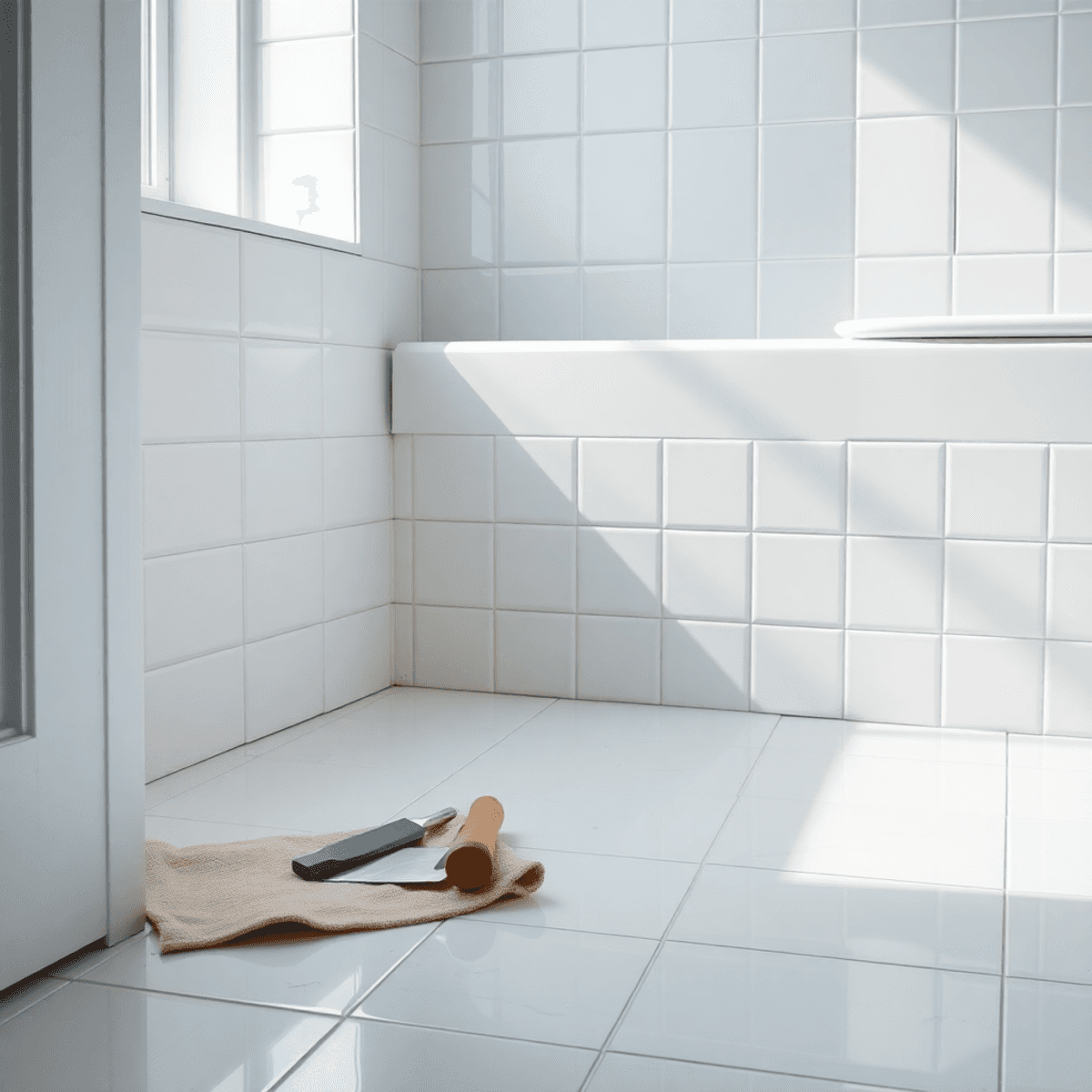
In my hotel room, I saw a broken tile in the bathroom. The cracked tile stood out to me at once. There was white filler between the tiles, jagged edges, and it made me feel that the floor might not be safe. A broken bathroom tile is not just something you don’t want to look at, it can be dangerous. A person might step on a sharp edge or slip because the floor is uneven. A broken tile floor, shattered glass mosaic, broken mirror mosaic in the wall, or a damaged ceiling tile are all problems that need to be fixed.
It can be very annoying to see the bathroom tile broken in a way that cleaning cannot fix. When you have to wait for help or pay a lot to replace the tile, it can feel like a long time. The cracks just get worse. The stains on the grout also look even more bad every time you see them.
Good news: you can fix broken tiles by yourself if you use the right tools and steps. You do not have to pay a lot to get help from outside. You also do not have to keep living with tiles that look bad. You can do this on your own and make the area look good again.
This article dives into:
How to spot damaged tiles and check their condition
The tools and things you need for a good repair
A clear guide with steps so you can change broken tiles fast
Problems with finding tiles that match and ways to fix this
Advice on keeping your bathroom tiles looking nice after you fix them
Ways to solve usual problems after you put in the tiles
Are you set to fix those cracked tiles? Let’s get started.
Identifying Damaged Tiles in Your Bathroom
The first thing to do when fixing damaged bathroom tiles is to know how to find signs of damage. These signs can go from small problems that are simple to fix, to big problems that may be risky. If you know what you should look for, you can stop these problems from becoming worse.
Common Signs of Damage
Here are some signs of damage that you should look for:
Cracks: Look for lines that show up on a tile. They can happen because something hit the tile or the floor moved. A cracked bathroom tile might look like a thin line or a bigger split.
Chips: These are little bits missing from the sides or top of the tile. Chips can come from regular use or an accident. Fixing chipped floor tiles is not always needed fast, but it keeps the area looking neat and helps with safety.
Discoloration: When you see stains or fading, it can mean there is water under the tiles or even mold growing below.
Broken tile mosaic: Tile mosaics often get damaged. If they break, they can mess up the look and feel of the floor, making some spots feel uneven.
Testing for Loose or Hollow Tiles
Tiles that sound hollow when you tap them can show problems with the way they stick to the surface. You can check them. Just knock gently on the tiles with your knuckles or a small tool.
This way, you can find breaking tiles before they break all the way.
Inspect Surrounding Tiles
Damage can reach more than one tile. Look closely at the tiles next to it:
Cracks that go into tiles next to it
Loose grout lines, and this makes tile support weak
A little movement when you press on tiles around it
Fixing just the broken tiles on the floor is not enough. If you do not check the space near them, you might miss other hidden issues.
Differentiating Types of Damage
Knowing if the tile is cracked or chipped helps you pick the right way to fix it.
Damage Type | Description | Repair Urgency |
Cracked | Complete line fractures | High - safety hazard |
Chipped | Small edge/surface missing | Moderate - cosmetic |
Knowing this difference can help you choose which repairs matter most. It also tells you where to find the right materials. This comes in handy if you are looking for broken tiles for sale near me with the same details.
A close look helps the tile replacement go well. It shows all the spots that are damaged and tells how bad they are.
Tools and Materials Needed for Tile Replacement
Fixing cracked tiles or putting in a new tile means you have to use the right tools and supplies. You want the work to look good and last a long time. When you work with broken ceramic tile or tile floor that you need to break, be careful. The sharp pieces can hurt you, so always watch out for safety.
Essential Safety Equipment
Gloves: Heavy work gloves help keep your hands safe. You need them when you pick up pieces of cracked floor tile or broken wall tile.
Goggles: Safety goggles protect your eyes. Wear them when you use a hammer or chisel, so broken bits don't hit your face.
Tools Required for Removing and Installing Tiles
Chisel: A flat or pointed chisel helps you gently lift out the broken tile. It does not damage the tiles close to it.
Hammer: You use a hammer to softly tap on the chisel. This helps break up the bad tile so you can take it out.
Grout Saw: This tool cuts away the grout found around the cracked tile. It makes sure you can take out the tile without messing up the grout next to it.
Notched Trowel: A notched trowel helps you spread the glue in a smooth way on the floor before you put down the new tile.
Materials Needed for Successful Tile Repair
Replacement Tiles: It is important to match the size, color, and feel of the tiles. For patterns like mosaic floors, finding the same tiles may take extra steps and you might need to order special ones.
Adhesive: Pick an adhesive meant for the type of tile you have. Many people use thinset mortar for both ceramic and porcelain tiles.
Grout: Try to use grout that looks the same as the grout in the rest of the floor, in both color and style (sanded or non-sanded). This way, it will blend well with the old tiles.
Taking out a cracked floor tile or fixing a broken tile wall without the right tools can hurt other tiles or lead to a bad repair. Getting ready and using the right equipment makes things easier. It helps you put in the tile the right way, so it works well and looks good again.
Step-by-Step Guide to Replacing Broken Bathroom Tiles Yourself
To fix cracked floor tile or broken wall tiles, you need to get ready first. When I stayed in a hotel room, I saw a broken tile in the bathroom. The white filler between the tiles did not look good. It made me feel worried. If you leave damaged tiles, they can make things worse. You can do this job yourself. Here are some steps you should follow.
1. Preparing the Area
Before you start putting the new tiles in, you need to get the area ready the right way. This helps the new tiles stick well and makes the fix look smooth.
Remove loose or broken pieces: Use a hammer and chisel. Take your time to chip away any small parts left from the tile that broke. Be careful and try not to hurt the tiles next to it.
Clean after tile removal: Take away old glue, dust, and any bits with a vacuum and a wet cloth. Make sure the spot is flat and dry so the new tile sticks well.
Look at the base for cracks or rough spots. If you see an uneven checkerboard tile installation, fill in small problems with a thin coat of mortar. Let it dry before you go on.
2. Applying Adhesive for Tiles
The way you put on glue depends on what you like and the company’s directions.
Option A: Apply adhesive directly onto substrate
Use a notched trowel. Spread the pre-mixed thin-set mortar over the cleaned surface. Make sure it covers the whole area.
Move the trowel to make ridges with its notches. This will help the mortar grip well.
Option B: Apply adhesive on back of replacement tile
Put a thin and even layer of glue on the back of the new tile. Then press it down where you want it to go.
Press the new tile down flat. Be sure it does not tilt. Line it up with the other tiles. Use spacers so the gaps stay the same. Wait for the glue to dry as it says to (this is often about one day).
3. Choosing Grout for Bathroom Tiles
The grout you choose changes how things look and how long they last.
For joints wider than 1/8 inch, sanded grout is good to use. The grit in it makes the joint stronger.
Narrower joints do well with non-sanded grout. It does not scratch soft surfaces like acrylic tubs or polished marble tiles.
Pick a grout color that is close to what you already have if you want it to blend in. Or, you can go with a different shade to add a nice look.
Apply grout with a rubber float. Hold the float at a 45° angle. Press the grout into the joints using sweeping strokes. Wait for about 10 to 15 minutes. Then use a damp sponge to gently wipe off extra grout. When you see a haze on the tiles, clean them again.
It can be hard to find broken tiles for sale that match your bathroom, especially if you have broken marble tiles or mosaic designs. You should get some tile samples and keep them with you when you shop. You can also order custom replacements online to get the one that fits best.
This step-by-step way makes sure your fix is strong and looks good. It also stops any more harm from cracked or loose tiles under that white filler you did not like before.
For bigger damage like cracked or chipped tile, it can be good to talk to experts or ask for advice to get the best outcome.
Challenges in Matching Replacement Tiles and Overcoming Them
Matching replacement tiles can be hard, mostly when you deal with old or rare designs like broken marble mosaic or broken ceramic mosaic. The hard part is trying to find tiles that are the same in style, color, texture, and size as the first ones. You see this problem a lot with broken quarry tile mosaic or tricky broken marble mosaic repair, because things like small changes in lines or shading mean it’s tough to make them match.
Why Matching Tiles Is Tough
There are many reasons why it can be hard to match tiles:
Discontinued Styles: Makers stop making some tile styles. This makes people look for hard-to-find pieces.
Natural Variations: Marble mosaics change on their own. Tiles from one set may not all look the same.
Special Patterns: Mosaic tiles use lots of small pieces in detailed patterns. It is tough to match if you replace only part of it.
Tips for Successful Tile Matching
Here are some tips that can help you match tiles the right way:
Take Samples to Stores: When you take a broken tile or a bigger part of the mosaic to a store, you can see the tiles in person. This helps you match what you need to what they have.
Photograph Details: Clear photos show small color and pattern differences. This can help teams online to spot the right match for you.
Consult Specialists: A few stores focus on old or unique tiles. Some will cut tiles to fit if you need replacements for broken marble mosaics.
Order Custom Replacements Online: A lot of websites will make special tiles just for you if you send in samples by mail. This can be helpful for breaking tile for mosaic when you need the size to be just right.
Handling Complex Mosaic Repairs
For broken marble mosaic or broken ceramic mosaic setups, to swap out single pieces, you might need to break a tile that matches into smaller bits. This helps the fixed area to look like the first pattern without any clear change. Doing this takes time and care, but it makes the spot look the same as what is around it.
Finding out if your bathroom has broken quarry tile mosaic or other rare tiles before you start work helps set the right expectations. You can better know what materials be needed and think of ways to fix things in a smart way.
Maintaining Your Bathroom Tiles After Repairs
Taking care of your bathroom tiles needs you to clean them often, especially after you change any broken pieces. Cleaning cracked bathroom tile gently helps keep both the tile and grout strong. This makes them last longer. It also keeps your bathroom looking nice and new.
Recommended Cleaning Methods
Here are some good ways to clean your bathroom tiles:
Mild solutions: A paste made with baking soda and water can help get out tough stains. It will not hurt the grout or the tile.
Dish soap mixture: You can mix a few drops of dish soap with warm water. This works well as a daily cleaner to take away dirt and grime without doing any harm.
Soft cleaning tools: Try to use a soft sponge or a microfiber cloth. These will not scratch the tile, so they are a good choice for cleaning.
Avoid harsh cleaners: Do not use strong scrubbers, bleach, ammonia, or cleaners with acid. These can wear away grout lines and make your tiles look dull over time.
“Gentle cleaning protects your repair investment by preventing grout degradation and surface wear.”
Resealing Grout Maintenance
Grout works like glue that keeps tiles in place. The thing is, grout has tiny holes in it. It can soak up water, dirt, and even mildew when you do not seal it.
Set up regular resealing of grout lines every 6 to 12 months. Choose the time based on how damp it is and how much people use the space. This will keep moisture away.
Pick a top-grade penetrating grout sealer. Use a small brush or applicator bottle for the best way to put it on.
When you finish sealing, do not let water touch the area for at least 24 hours. This gives it time to dry and set well.
Additional Tips for Long-Term Tile Care
Here are some more tips that will help you keep your bathroom tiles looking good:
Always clean up spills right away to stop stains from happening.
Put mats where people walk a lot or close to the shower. This can help keep your floor good for a long time.
Check your tiles often. Look for new cracks or spots that feel loose. This way, you find any problems early.
Keeping your fixed bathroom tiles clean with simple cleaning and regular resealing helps them look good and protects them from things that can damage them. This care makes sure your hard work to change the broken tiles lasts for many years.
Troubleshooting Common Issues After Tile Replacement
Running into cracked joint tile repair issues right after you change broken tiles can be really annoying. In my hotel room, there was a broken tile in the bathroom, and the white filler between the tiles bothered me a lot. A lot of people know this feel when fixing tiles. If you fix these problems early, you stop the damage from getting worse.
Handling Minor Cracks After Installation
Small cracks in the grout lines or tiny breaks in the tile surface may show up a few days or weeks after you get the tile put in. These things often happen because of:
Not enough curing time before use
Change in size when heated or cooled
Movement in the surface underneath
To manage minor cracks:
Use a good grout sealer to fill the cracks and keep the joints safe.
For small cracks on the tile, use an epoxy filler. Make sure it matches the type of tile, like stone, slate, or glass.
Do not use the area much until the repairs are set and firm.
Addressing Loose Replacement Tiles Early
Loose replacement tiles can mean that something is wrong with how they are stuck down. There may not be enough glue, or the surface under the tile may be moving. You might see:
Early intervention steps:
Take out the loose tile in a careful way.
Clean away old glue or sticky stuff all the way.
Put on new thin-set mortar that matches your tile’s type, like stone or glass.
Push down hard and check that the tile is even by using spacers.
Ignoring loose tiles can lead to bigger breaks. This is true for broken slate tile or broken stone tile. They can chip more if not fixed.
When Professional Help Might Be Necessary
Some things need a person to handle it and can’t be fixed at home by yourself.
Cracked joints keep showing up even after you try to fix them by resealing
A lot of damage to broken glass tile or tiles that break easy and need glues made specially for them
Problems with how things are built that make tiles come loose again and again, like the floor under it not being even
Patterns with many tiny tiles, like mosaics, where it’s very important to line things up in the right way
When you have a broken tile shower floor in your bathroom, water can leak in. This can lead to damage you may not see. You often will not notice the problem unless a professional checks it.
“If you encounter repeated failure in your repair attempts or notice worsening conditions, calling a professional ensures safety and long-lasting results.”
Fixing broken joint tile problems fast helps keep your bathroom looking nice. It also stops issues like white filler stains and chipped surfaces. This is important, especially with glass mosaic water line pool tiles. These designs can be tricky. You need people who know how tile repair works for jobs like this.
Conclusion
Changing the tiles in your bathroom can help it feel safe and comfortable again. A fresh look is good, but the main thing is to feel happy and at ease. I remember once seeing a broken tile in a hotel bathroom. The white stuff between the tiles did not look good, and every time I saw it, it made me feel upset. You do not need to feel this way at home.
Using the right tools and being careful can help almost anyone replace tiles to fix the area to look or feel new. Make sure to wear gloves and goggles to stay safe. Take your time as you pull out the pieces that are damaged. Clean the area well before you put on the new tiles. When you add glue and grout, do it with care. This will help your tiles last longer and look good.
Key tips for long-lasting results:
Use a grout color that matches so it blends well
Wait for everything to dry and cure before you use it
Check the fixed spots often to see any small problems early
Don’t use strong chemicals when you clean because it can harm the grout
Doing small fixes in your bathroom, like fixing broken tiles, can help you save money. It also stops bigger trouble before it starts. Your bathroom is important. A cracked or chipped tile should not be the thing that ruins that good feeling in your space.
Step into your project knowing that you can change your bathroom one tile at a time. If you work now, you help yourself keep the space safe for a long time. It also helps you feel better about it for many years to come.
FAQs (Frequently Asked Questions)
What are the signs that indicate bathroom tiles are damaged and need replacement?
Signs that bathroom tiles are damaged can be easy to spot. You might see cracks, small pieces broken off, stains, or tiles that feel loose or sound hollow if you tap them gently. Be sure to check the tiles near the damaged ones too so you can fix all problems.
What tools and materials do I need to replace broken bathroom tiles myself?
To change broken bathroom tiles, you need some safety gear like gloves and goggles. You also need tools like a chisel, hammer, grout saw, and notched trowel. Get new tiles that look like your old tiles, the right glue for your tiles, and grout to finish the job.
How can I effectively replace broken bathroom tiles step-by-step?
Start by taking out any loose or broken tile pieces and clean the area well. Then, put some adhesive on the back of the new tile or right on the surface, and follow their instructions. Put the new tile in place and let it stay there until it sets. After that, put grout that fits your bathroom tile’s joint width and look.
What challenges might I face when matching replacement tiles for my bathroom?
Matching replacement tiles can be hard. This is true for old designs or special styles like mosaic or marble. To fix this, take a piece of your tile to the store. You can also order custom tiles online. This will help you get the right color, size, and feel.
How should I maintain my bathroom tiles after replacement to keep them looking good?
Keep your bathroom tiles clean by washing them often. Use gentle products like baking soda mixed with dish soap. Do not use strong cleaners, as they can harm the grout and tiles. Also, seal the grout lines from time to time. This helps keep water out and makes your repair last longer.
What common issues might arise after replacing bathroom tiles and how can I troubleshoot them?
Common problems after replacement are small cracks in grout lines, loose tiles, or damage that shows up suddenly. Take care of small cracks right away by sealing them. Fix loose tiles soon, so you do not get more damage. If these issues do not go away or get worse, it is best to call a professional to get things fixed for good.


Comments
Post a Comment